
When it comes to oral hygiene, the Indian consumers are falling short and that is offering an untapped market for the oral care brands in the country.

According to Mintel’s latest research only 34% of Indian consumers brush their teeth twice a day; while 59% of Indian brush their teeth just once a day. This provides a great opportunity for oral care companies to grow their business. This is the untapped market where oral care companies in India need to focus on to write the next round of their growth story in the market.
Oral care, per se, is a steady market and has reached a steady growth rate of 4.6% annually. This growth rate is expected to remain the same for the next 8 years or so, according to the IMARC group. The research agency predicts that the market will reach US$ 2,967.5 million by 2032, which in 2023 reached US$ 1,951.0 million.
The growth rate might be slow, but there is a huge potential as the market size is big and oral care products are used in almost all homes in India. Mintel research shows that that women are more diligent in their oral care routines compared to men. Specifically, 62% of men aged 18-34 and 68% of those aged 35-44 brush once daily, compared to that 55% and 52% of women in the same age groups respectively brush their teeth once a day. This highlights a significant opportunity for brands to enhance toothpaste usage frequency among male consumers.
Opportunity in the Indian oral care market
When we look at the product category in oral care, toothpastes continue to be the most product category. Giving an insight into the demand for toothpastes, Tanya Rajani, Principal Analyst, Beauty & Personal Care, Mintel Reports India said, “According to social listening tool Infegy Atlas, conversations on social media around terms like ‘oral care’ or ‘toothbrush’ or ‘toothpaste’ are rampant with approximately 11 mentions per hour. Mintel GNPD data also indicates that new claims, such as whitening, are gaining momentum, representing 18% of product launches with such claims in the year leading up to December 2023. This demonstrates a growing emphasis on these claims by both brands and consumers, even on social media.”
Following this trend, India is seeing an upbeat activity in oral care, with innovation centred around toothpaste. Over half (51%) of new launches between January 2023 and December 2023 were toothpaste according to Mintel Global New Products Database (GNPD). The oral care category is also witnessing the entry of new home-grown brands, which focus on innovation for sensitive teeth, whitening, and other concerns.
To leverage this growing interest in oral care, Rajani said brands can explore linking oral health with total wellbeing, emphasise beautifying benefits to improve usage, especially among men. Brands should highlight benefits like whitening, stain removal, fresh breath to stir excitement and attract the target consumers.
Challenges that impact market growth
A large percentage of the Indian population is price-sensitive, so pricing is a major challenge for companies in the Indian oral care market. According to a report by Nielsen, 60% of Indian consumers are willing to pay only INR 10-20 for toothpaste. This has led to intense competition in the market and a focus on low-cost products. The Indian oral care market is highly competitive, with both international and local players vying for market share. Other than the already established brands like Colgate or Pepsodent, the local players have a good penetration in the tier 2 and tier 3 markets because they are tuned into the market needs and can sell oral care
Local players often have a better understanding of local market needs and can offer products at lower prices, posing a challenge for international companies.
Another factor that is hindering the growth is that the oral care in India is largely unregulated, which also raises concerns about the safety and efficacy of products. According to a study by the Indian Dental Association, up to 90% of dental products sold in India may not meet basic quality standards. While the awareness of oral hygiene is growing in India, there is still limited awareness of specialized oral care products, such as those for whitening, sensitivity, or gum health. This presents a challenge for companies looking to introduce new and innovative products in the market.
Furthermore, the frequency of oral health disorders in India is due to a lack of understanding of the importance of dental health. Dental cavities and periodontal disease are among the difficulties, as is the unequal distribution of oral healthcare workers. Regular dental appointments can help with a variety of dental health issues. Yet, because 72% of Indians live in villages, many are unable to receive adequate care.
Innovation to drive growth in the market
In India, the oral care category has traditionally maintained affordable pricing. The majority of the products still fall under approximately Rs100 for the basic format. However, launches over the past five years suggest a shift toward products at slightly higher price points. They are adding more premium products, highlighting better benefits, into the market. These are slowly finding takers.
According to Mintel GNPD, 27% of oral care products launched between January 2023 and December 2023 are priced between Rs 150 to Rs 300, while 5% of the launches in that same period are priced between Rs 300 and Rs 500. “Indians have always been mindful of the price-to-benefit ratio, and with brands eyeing premiumisation opportunities, focusing on value propositions and proving worth will be key,” said Rajani.
With brands pushing better benefits are premium oral care, more and more users are moving towards improving their brushing/dental care habits. In fact, 38% of ‘advanced users’— what Mintel defines as consumers who brush at least twice a day or use more than six types of oral care products—recognise the importance of maintaining oral health as an integral component of overall well-being.
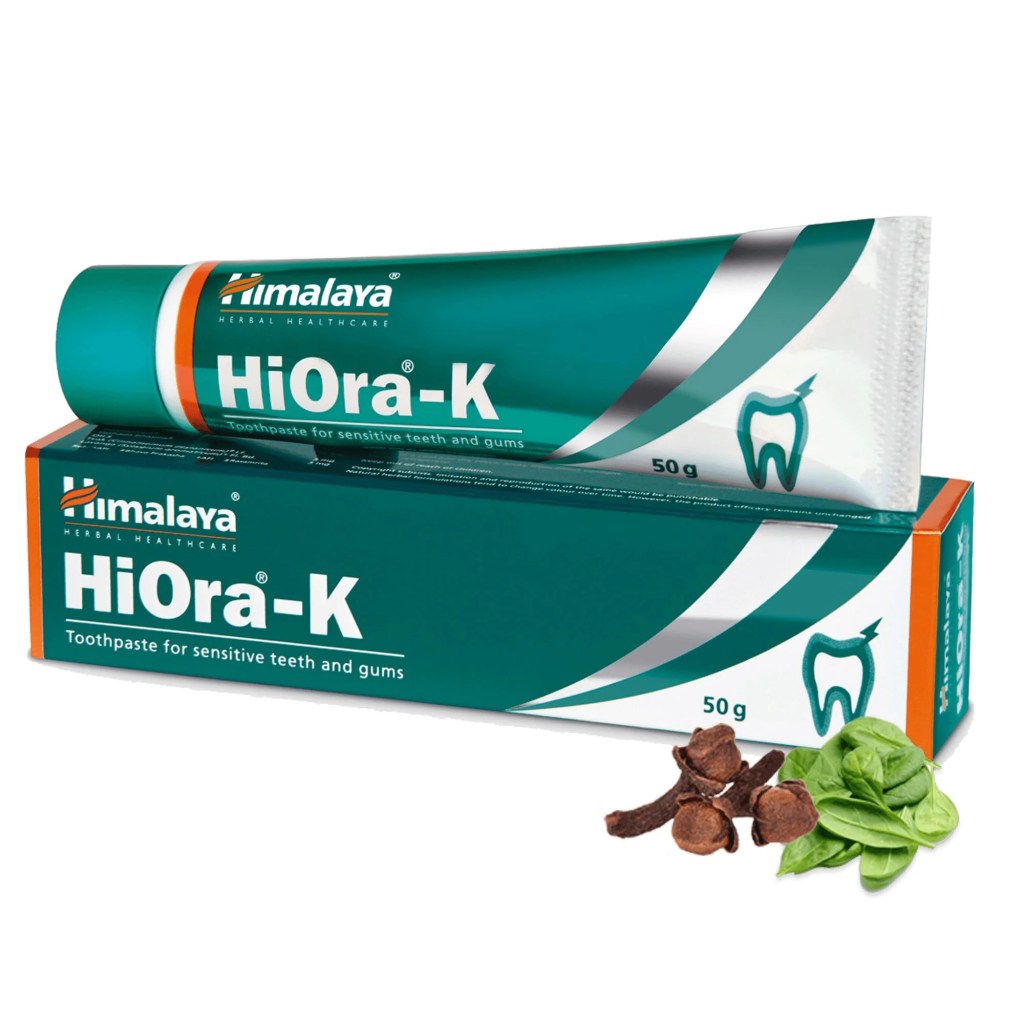
The opportunity for growth lies in the brands offering their products as an important part of holistic health. Incorporating herbal ingredients, vitamins/antioxidants and other health boosting components can aid them in this endeavour. “Mintel research shows that 34% of advanced users agree that natural/herbal toothpaste provides better gum health compared to regular ones,” said Rajani.
Another point that needs innovation is flavour of the oral care products. The brands can look at moving beyond the concept of minty, fresh breath to other flavours that improve oral freshness. Mintel research suggests that another way of stirring interest in oral care products is for brands to offer novel flavours.
“Flavour innovation is a relatively untapped area in the Indian oral care market with mint being the most established flavour. About one in four Indian consumers, particularly those in Tier 2 cities, are willing to pay more for oral care products with fruity, floral, and gourmet flavours. Introducing new flavours can not only reignite consumer interest but also align with the growing trend of integrating sensory experiences into daily routines,” noted Rajani.
 beautybusinessindia.com