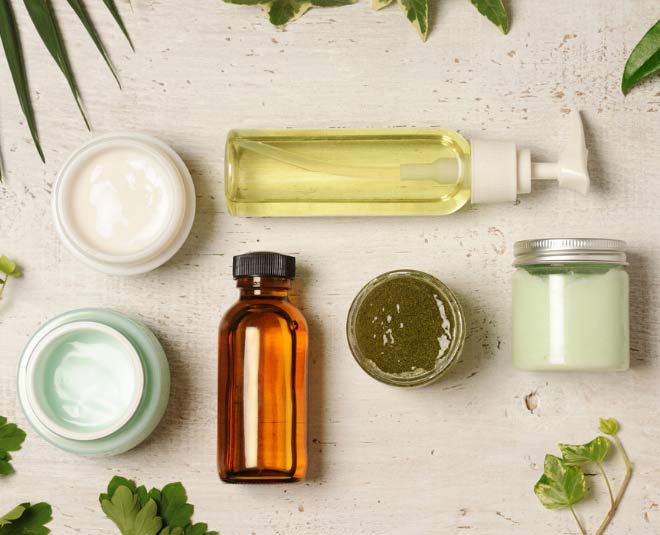
According to Euromonitor International’s Beauty Survey, a major chunk of consumers is influenced by ingredient formulation when buying skin care products. The market research organization has termed this group as ‘skintellectuals’ – consumers who are highly aware of what they want from their skincare products.

In fact, this emergence of skintellectuals has led the beauty brands to put forth claims about natural ingredients, wellness benefits and self-care advice when promoting their products. The beauty brands have also taken steps to encourage consumers to experiment with new routines and improve their mental and physical states.
Market shakeup due to ingredient-led beauty
As a matter of fact, the COVID 19 pandemic accelerated growing consumer interest in ingredient-led beauty. Beauty consumers are actively associating botanical ingredients with safety, efficacy and wellness. This has resulted in some high-profile reformulations and major takeover by global beauty companies to improve their portfolio of ingredient-led brands. For example, skin care brand Plant Apothecary relaunched its entire offering to focus on plant-based ingredients such as edelweiss, mulberry and watermelon. Recent business activity is centred around brands that have an ingredient-led positioning. L’Oréal Groupe’s acquisition of Youth to the People (known for its superfood ingredients), Unilever’s acquisition of Paula’s Choice (known for its dermocosmetics heritage and price accessibility within the premium tiers), and the eventual ownership of Canada-based Deciem Beauty Group (which owns skinimalistic pioneer The Ordinary) by The Estée Lauder Companies are some examples of how attractive ingredient-led beauty has become.
Demand of ‘Skinified’ formulations in hair care
As an increasing number of consumers view the scalp to be an extension of the skin, they want products that offer similar care for the scalp as they do the skin. That is why hair care players have started responding to this with more sophisticated formulations. Brands in India like Mcaffeine, Bare Anatomy, Plum have incorporated ingredients, like AHAs, scrub granules, sugar, that are typically found in skincare products in their hair care ingredients.
DevaCurl incorporated micellar water, which is typically found in make-up removing facial cleansers, in its Buildup Buster Cleansing Serum to align more closely with the link between skin health and scalp health. A similar effect is found in personal care, in which deodorant brand Secret has introduced a new antiperspirant which features skin care ingredients designed to condition skin and prevent signs of underarm shave irritation.
‘Skinification’ trends are resulting in new delivery formats
The search for skin benefits in non-skin care products is underway, adding an element of newness to well-established categories. Not just hair care segment, even makeup category is seeing similar trends. Foundations with Amazonian clay, concealers with nourishing coconut oils, and hydrating lip tints and lip oils speak are being created to meet demand for colour cosmetics that go beyond covering or concealing skin problems.
Emergence of functional fragrance with wellness benefits
The rising priority of health and wellness is encouraging consumers to dig into specific ingredients stemming from Traditional Chinese Medicine and Ayurveda. This has interestingly opened up a new category of functional fragrances. Functional fragrances are meant to have ingredients that provide benefits ranging from boosting, activating or calming one’s mood. These are meant to utilise therapeutic properties of the botanical actives to address emotional wellbeing concerns, such as lack of sleep or stress. Fragrance players are heavily investing in research to study the link between the olfactory system and physiological changes. For instance, Sacheerome, an Indian-based fragrance and flavours company, partnered with universities to research the functional benefits of Ayurvedic ingredients, some of which include moringa, brahmi (Indian pennyworth) and kalonji (black seed).
—- Based on Euromonitor International Report

