Awareness of clinical grade skin treatments used by dermatologists – thanks to social media scrolling – has recalibrated consumer expectations from their at-home skincare products. In 2026, this need for high performance treatment for improved skin texture and suppleness has made PDRN (Polydeoxyribonucleotide) the buzzword in anti-aging and skin rejuvenation formulations. PDRN, a purified DNA extracted from salmon and rainbow trout sperm, and used in treating wounds, is latest clinical-grade active to become part of mainstream skincare solutions.
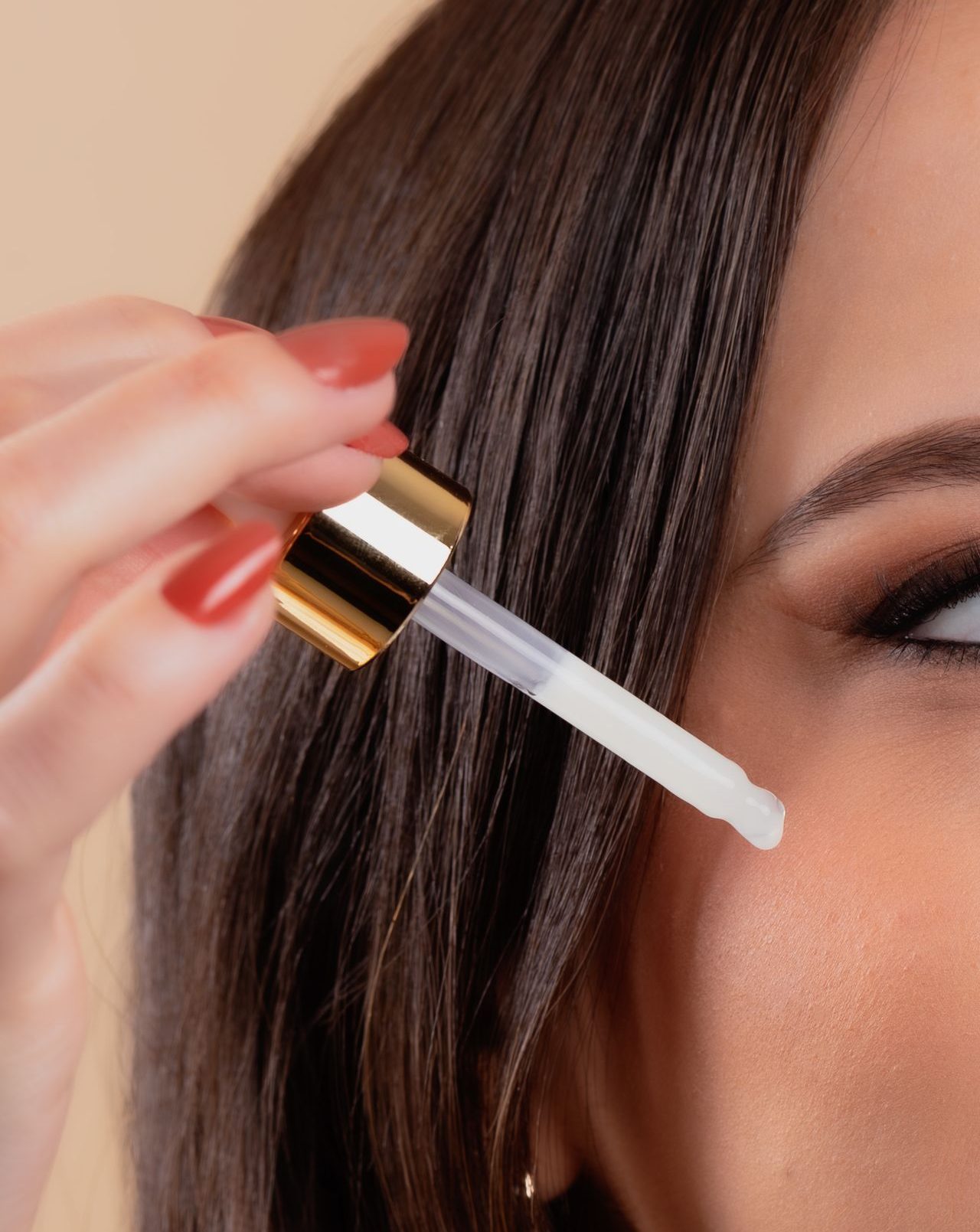
PDRN has gone from a niche medical compound to one of the most talked-about actives in skincare in 2026 because of the way it benefits the skin from deep within. What has made PDRN popular is its ability to stimulate skin repair at molecular level. It works through independent molecular pathways specifically adenosine A2A receptor activation and DNA salvage pathway.
PDRN is not really a new discovery, it has been used by doctors since the 1990s for wound healing, burn recovery, ulcers and post-surgery scar tissue repair. The ingredient’s skincare debut happened in Korean aesthetic clinics in 2009 as an injectable skin booster. According to research published in Journal of Applied Sciences, of late PDRN has been repurposed and approved in several countries as a medical device, particularly as dermal filler. The best news about this active is that after surveying multiple PDRN prescriptions over five years across clinics in South Korea, it was confirmed that this ingredient shows almost no toxic effect while promoting healthy skin.
PDRN defined
PDRN or Polydeoxyribonucleotide is a short sequence of purified DNA extracted from sperm of salmon or rainbow trout. Through a high-temperature purification process, the proteins, peptides and other biologically active materials are inactivated from the source material, leaving behind a pure nucleotide fraction ready for use.
This extract was first developed by the Italian bio-pharma company Mastelli as a pharmaceutical active for healing wound and ulcers, and post-surgery scar treatment. Based on the research conducted by the scientists at University of Messina, PDRN was registered as a pharmaceutical drug for wound healing and diabetic ulcer treatment and holds approval for clinical use. Seeing its healing capabilities, PDRN was adapted by the South Korean dermatology sector for aesthetic treatment. In fact, since 2009 South Korea has become the hub for PDRN aesthetic treatments – where the ingredient is used as a dermal filler to improve skin volume and reduce appearance of wrinkles.
In 2026, the active has officially entered mainstream skin care market because it has been found to be highly clean and safe; there are no records yet of PDRN triggering any immune reaction.
How PDRN works
There are two mechanisms through which PDRN restores skin structure and boosts its appearance. In the first mechanism, it binds to the protein receptor adenosine A2A receptors on skin cells. Adenosine A2A receptors are known to protect tissues from inflammation. When PDRN attaches itself to this protein receptor, it triggers collagen production, new blood vessel formation and reduces inflammation. The result is tissue regeneration, improved texture, and reduced redness — driven by the skin’s own repair machinery.
In the second process, PDRN helps cell rebuild damaged DNA using recycled nucleotide building blocks. We know that aging skin cells lose the ability efficiently synthesize DNA from scratch and repair the damage. As a result, the cellular structure breaks down leading to wrinkles and sagging. When PDRN is delivered to the skin, it supplies the damaged cells with nucleotide building blocks that use these fragments and repair their own DNA; thus restoring the skin structure. Research shows that skin aging process can be slowed down when skin is meaningfully supplemented through topical PDRN at effective concentrations.
Since the two mechanisms operate independently, PDRN solutions can be layered with other skincare ingredients like retinol, vitamin C and hyaluronic acid.
From filler to bottle
Injectable PDRN requires a licensed provider, numbing cream, and a recovery window of visible swelling and bruising, with results building over four to six weeks. However, there has been a growing demand for a more effective, more long-term solution for skin rejuvenation that won’t require a visit to the dermatologist or going under the needle. So, beauty brands have started doing what they always do with an effective but inaccessible clinical treatment: they have found a way to bottle it.
They have formulated PDRN into serums, ampoules, and creams for topical application. While the topical PDRN based products cannot penetrate as deeply into the skin as a dermal filler, but it delivers a significant support in reviving aging skin. The topical products with PDRN have shown to improve hydration, barrier support and reduce fine lines and minimise wrinkles. However, multiple clinical review show that recommended topical concentration should range from 0.5% to 1%; anything below 0.3% will have minimal or no benefit for skin. In topical products, PDRN alone does not produce as great an effect. In fact, when paired with actives like retinoids and vitamin C, the skin shows better results.
It’s also worth setting expectations around PDRN. Topical products won’t replicate what an in-clinic injection can do, and results build gradually rather than overnight. For people already using retinoids, exfoliating acids, or recovering from in-office procedures, PDRN can be a genuinely useful addition for calming and hydrating the skin barrier. For people hunting a single miracle ingredient, it’s best understood as one part of a routine, not a replacement for one.
 Beauty Business India